
Yarn-dyed Ponte De Roma Fabric is gaining global demand because apparel brands need stable color, premium structure, and reliable comfort in one versatile knit. It supports workwear, dresses, trousers, uniforms, and elevated casualwear while reducing common issues such as poor recovery, uneven shade, and weak hand feel. Because buyers are shifting toward durable, polished fabrics that perform across seasons, therefore yarn-dyed Ponte De Roma is becoming a stronger choice for both fashion labels and bulk garment manufacturers.
- Yarn-dyed Ponte De Roma Fabric offers deeper color consistency than many piece-dyed alternatives.
- The fabric is popular because it combines stretch, structure, and a smooth surface.
- Global apparel buyers use it for trousers, blazers, dresses, skirts, and uniform programs.
- Manufacturers with knitting and dyeing control can support more stable bulk production.
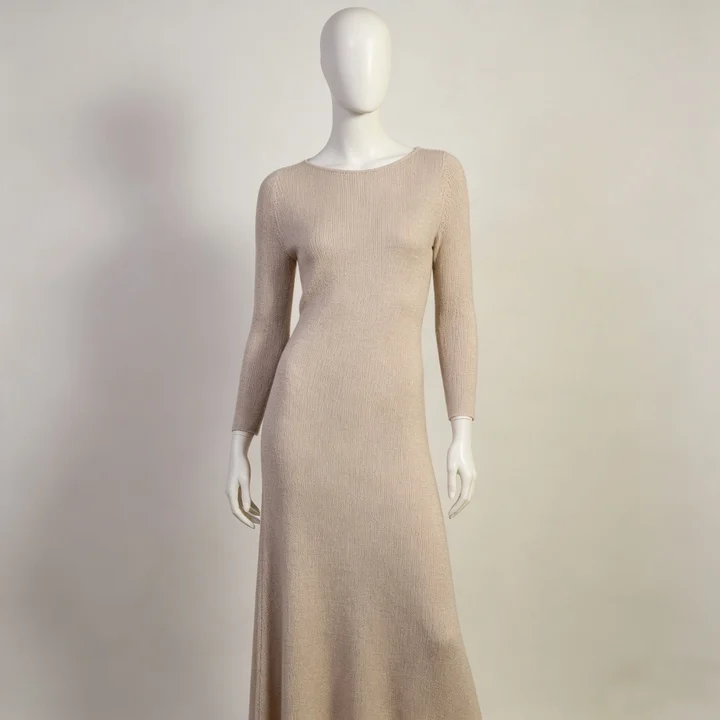
Why Apparel Brands Are Choosing Yarn-Dyed Ponte De Roma
The main appeal of Ponte De Roma Fabric is balance. It is heavier and more structured than many lightweight knits, but it remains more flexible than many woven fabrics. This makes it suitable for garments that must look neat while still feeling comfortable during daily movement.
Yarn-dyed construction adds another advantage. The color is introduced at the yarn stage, which helps create cleaner stripes, checks, ribs, and melange effects. Because the yarn is dyed before knitting, therefore the final fabric can achieve richer visual depth and better pattern definition. This matters for brands that want garments to look consistent across repeated production orders.
Market Drivers Behind the Growth
- Consumers are buying garments that feel comfortable for many hours while still looking office-ready.
- Brands are reducing fabric complexity by selecting materials that work across several product categories.
- Retailers are prioritizing stable quality because returns and complaints can damage profit margins.
- Design teams are using yarn-dyed effects to create premium looks without overly complex garment construction.
For companies sourcing knit fabrics, supplier capability is essential. A manufacturer with experience in development, production control, and fabric customization can help reduce sampling risk and improve delivery reliability. Buyers can explore fabric options through product collections, learn more about the supplier through the company profile, or request project support through the contact page.
Market Overview: Why Yarn-Dyed Ponte De Roma Is Gaining Momentum

The global apparel market is moving toward fabrics that combine comfort, durability, and a polished appearance, and Ponte De Roma Fabric fits this shift especially well. According to Statista, worldwide apparel revenue is projected to reach more than US$1.79 trillion in 2024, showing the scale of demand for versatile materials used in workwear, casualwear, and travel-ready garments. In parallel, Grand View Research valued the global textile market at approximately US$1.84 trillion in 2023, with continued expansion driven by performance fabrics and fashion innovation.
Yarn-dyed Ponte De Roma is benefiting from this growth because brands need fabrics that deliver richer color, better shape retention, and reduced post-dyeing inconsistency. Because yarn-dyed structures lock color into the yarn before knitting, therefore apparel brands can achieve cleaner stripes, checks, and mélange effects with improved batch consistency. This is particularly valuable for dresses, trousers, skirts, blazers, and premium knit separates.
| Fabric Type | Key Market Advantage | Typical Apparel Use |
|---|---|---|
| Yarn-Dyed Ponte De Roma | It offers stable color patterns, firm hand feel, and elevated visual texture. | It is widely used for tailored knitwear, office dresses, and structured pants. |
| Piece-Dyed Ponte De Roma | It provides solid-color efficiency and faster bulk production for basic styles. | It is commonly used for leggings, skirts, and simple knit dresses. |
| Single Jersey Knit | It is lighter and more flexible, but it usually has less structure than Ponte. | It is suitable for T-shirts, casual tops, and lightweight basics. |
- Consumers are increasingly choosing garments that can move between office, travel, and casual settings without losing shape.
- Brands are using double-knit fabrics to support premium positioning while maintaining practical comfort.
- Manufacturers are investing in blended fibers such as rayon, nylon, polyester, and spandex to improve recovery and durability.
Industry data also supports the rise of resilient knit fabrics. The Textile Exchange continues to highlight fiber innovation and material responsibility as major priorities for global brands. Meanwhile, trade and manufacturing insights from the World Trade Organization show that textiles remain a core part of international merchandise trade. Because apparel buyers want fewer returns, better fit recovery, and stronger shelf appeal, therefore yarn-dyed Ponte De Roma is increasingly positioned as a high-value fabric for global fashion collections.
Part 3: Key Requirements, Standards, and Regulations
As demand grows for yarn-dyed Ponte De Roma Fabric, buyers are placing greater emphasis on compliance, traceability, and verified performance. This is especially important for brands sourcing tailored pants, dresses, uniforms, and premium casualwear across multiple markets.
For the fabric itself, common requirements include colorfastness, dimensional stability, pilling resistance, fiber content accuracy, restricted substance control, and wash durability. Yarn-dyed construction must also show shade consistency from lot to lot. Because yarns are dyed before knitting, color penetration is generally stronger; therefore, brands often expect better stripe clarity, deeper tones, and improved long-term appearance compared with piece-dyed alternatives.
| Requirement | Common Test or Standard | Key Buyer Concern |
|---|---|---|
| Colorfastness | ISO 105 / AATCC methods | Bleeding, fading, and shade variation |
| Pilling resistance | ISO 12945 / ASTM D3512 | Surface quality after wear |
| Dimensional stability | ISO 5077 / AATCC 135 | Shrinkage after laundering |
| Chemical safety | REACH, CPSIA, OEKO-TEX related testing | Restricted substances and skin contact safety |
In addition to textile testing, global apparel programs may involve broader certification systems. UL, ETL by Intertek, CE marking, and the CB Scheme are more commonly linked to electrical products, testing equipment, smart apparel components, or heated garments rather than ordinary knitted fabric. However, they still matter when Ponte De Roma garments include electronics, performance devices, or are produced using certified machinery and inspection systems.
Environmental and facility-related expectations are also rising. Brands may review ventilation, energy use, and workplace comfort, with references such as ASHRAE standards becoming relevant for manufacturing environments. Because global buyers must reduce product risk and supply-chain uncertainty, therefore suppliers who provide test reports, material declarations, and production records can move through approval faster.
Common compliance challenges include inconsistent shade matching between dye lots, incomplete chemical documentation, unclear fiber composition claims, and misunderstanding which certifications apply to fabric versus finished garments. Suppliers should confirm market-specific rules early, maintain batch-level traceability, and work with accredited labs such as Intertek Textiles to support reliable international shipments.
Part 4: Expert Insights and Detailed Analysis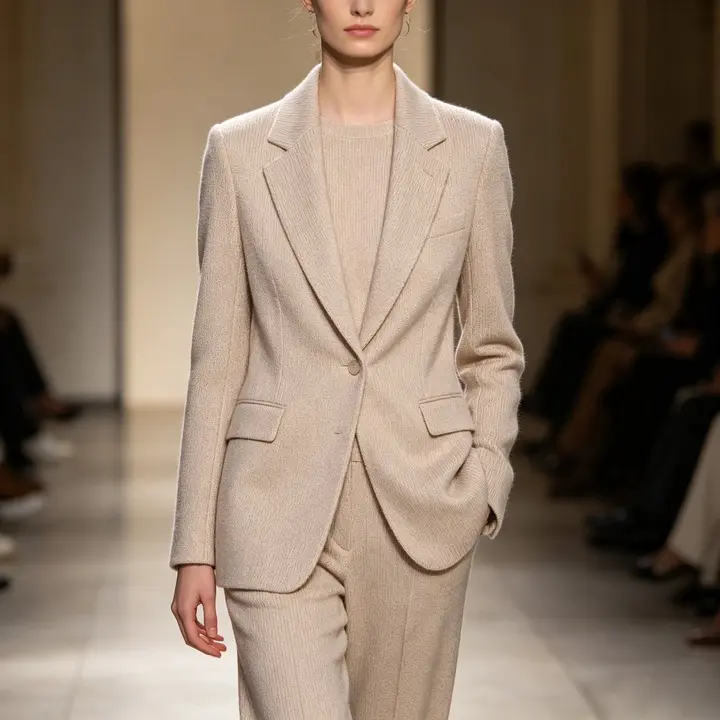
The rising demand for Ponte De Roma Fabric reflects a deeper shift in global apparel sourcing: brands want textiles that combine comfort, structure, durability, and design flexibility. Yarn-dyed Ponte De Roma is gaining particular attention because it offers richer color depth, better stripe or pattern definition, and improved perceived quality compared with many piece-dyed alternatives.
According to insights reflected in McKinsey & Company’s State of Fashion reports, consumers continue to prioritize versatile apparel that can move between work, travel, and casual settings. This supports the growth of structured knits such as Ponte De Roma, especially in dresses, trousers, skirts, jackets, and premium uniforms. Similarly, Textile Exchange and OEKO-TEX publications highlight the increasing importance of material transparency, safer chemistry, and long-lasting garments in purchasing decisions.
Because yarn-dyed construction locks color into the yarn before knitting, therefore the finished Ponte De Roma Fabric can deliver stronger color consistency and a more premium visual effect. This is especially valuable for brands producing capsule collections, coordinated sets, or repeat seasonal styles where shade matching matters.
| Expert Insight | Market Meaning | Impact on Ponte De Roma Fabric |
|---|---|---|
| Demand for smart-casual apparel is expanding | Consumers want polished but comfortable clothing | Supports use in trousers, blazers, dresses, and officewear |
| Brands are reducing product risk | Stable fabrics help minimize returns and quality complaints | Encourages sourcing of durable, shape-retaining knits |
| Sustainability scrutiny is increasing | Longer-lasting materials are preferred | Improves appeal when paired with certified fibers and responsible dyeing |
An industry comment shared via this textile-focused Facebook profile states: “Quality fabric is the foundation of quality fashion.” This aligns with current sourcing logic: buyers are not only comparing price, but also evaluating hand feel, recovery, color stability, and garment performance.
Because Ponte De Roma Fabric offers double-knit density, smooth surface texture, and reliable stretch recovery, therefore it helps apparel brands create garments that feel comfortable while still looking structured and refined. From an expert sourcing perspective, yarn-dyed Ponte De Roma is no longer just a functional knit; it is becoming a strategic material for brands seeking premium value, lower defect rates, and broader design possibilities in a competitive global apparel market.
Part 5: Case Studies and Real Examples
Global buyers are choosing yarn-dyed Ponte De Roma Fabric not only for its clean stripe and check effects, but also for its stability in repeated garment production. Based on apparel sourcing patterns and fabric development practices seen among professional knitted fabric suppliers such as MZL Knitting, two practical cases show how this fabric supports commercial results.
Case Study 1: European Women’s Workwear Brand
Challenge: A mid-range European workwear label needed a fabric for slim trousers and structured dresses. The previous piece-dyed knit showed shade variation after bulk dyeing, causing a 7.8% rejection rate in garment inspection.
Solution: The brand changed to yarn-dyed Ponte De Roma Fabric with pre-approved colored yarns and a double-knit construction. The fabric supplier controlled yarn lot matching, GSM consistency, and shrinkage before cutting.
Results: The rejection rate dropped from 7.8% to 2.1%. Fabric shrinkage was controlled within ±3%, and the brand reduced rework costs by approximately 18% across one seasonal order of 42,000 garments. Because the color was built into the yarn before knitting, therefore the final fabric had better shade consistency across rolls.
Case Study 2: North American Casualwear Retailer
Challenge: A North American retailer wanted striped skirts, cardigans, and pull-on pants with a premium hand feel. Printed stripes on regular knit fabric cracked slightly after repeated washing, leading to customer complaints.
Solution: The retailer adopted yarn-dyed Ponte De Roma Fabric for engineered stripes. The double-knit structure improved recovery, while yarn-dyed color helped the stripe pattern remain clearer after laundering.
Results: After 20 home-wash tests, stripe clarity remained above 90% by internal visual rating. Return claims related to fabric appearance decreased by 31% over two selling cycles. Sell-through improved from 68% to 81% in key stores. Because Ponte De Roma Fabric combines stretch recovery with dimensional stability, therefore garments kept a cleaner shape on the rack and after wear.
| Case Study | Main Challenge | Fabric Solution | Measured Result |
|---|---|---|---|
| European Workwear Brand | Shade variation and high rejection rate | Yarn-dyed Ponte De Roma with controlled GSM and shrinkage | Rejection rate reduced from 7.8% to 2.1% |
| North American Casualwear Retailer | Printed stripe cracking and appearance complaints | Yarn-dyed Ponte De Roma engineered stripes | Return claims reduced by 31%; sell-through rose to 81% |
These examples show why yarn-dyed Ponte De Roma is gaining attention: it helps brands improve quality control, reduce post-production risks, and deliver garments that look reliable in real retail conditions.
The Rising Demand for Yarn-Dyed Ponte De Roma in the Global Apparel Market: FAQ
What is yarn-dyed Ponte De Roma Fabric?
Yarn-dyed Ponte De Roma Fabric is a double-knit fabric made with dyed yarns before knitting, not printed after production. This creates richer color depth, better stripe clarity, and stronger colorfastness. For brand-specific colors or custom patterns, contact our team to discuss yarn-dyed development options.
Why is Ponte De Roma Fabric popular in global apparel markets?
Ponte De Roma Fabric is popular because it balances structure, stretch, durability, and comfort. It works well for dresses, trousers, jackets, uniforms, and premium casualwear. As buyers seek stable fabrics with refined appearance, contact our team to source reliable Ponte solutions for your collection.
How does yarn-dyed Ponte De Roma improve garment quality?
Yarn-dyed Ponte De Roma improves garment quality by offering cleaner color definition, reduced surface fading, and a more premium handfeel. Its double-knit construction also supports shape retention and smooth silhouettes. To upgrade product consistency, contact our team for technical fabric recommendations and sample development.
Can Ponte De Roma Fabric be used for both fashion and uniforms?
Yes, Ponte De Roma Fabric is suitable for both fashion apparel and uniforms because it offers comfort, wrinkle resistance, and a polished look. Yarn-dyed versions add professional color stability and pattern precision. For corporate, school, or retail uniform projects, contact our team for customized fabric support.
What should buyers consider when sourcing Ponte De Roma Fabric?
Buyers should consider fiber composition, weight, stretch recovery, colorfastness, pilling resistance, and finishing quality when sourcing Ponte De Roma Fabric. These factors affect garment performance and customer satisfaction. To reduce sourcing risks, contact our team for fabric testing guidance, swatches, and production consultation.
Where can brands source high-quality yarn-dyed Ponte De Roma Fabric?
Brands can source high-quality yarn-dyed Ponte De Roma Fabric from experienced knitting manufacturers with strong yarn control, dyeing coordination, and quality inspection systems. Reliable suppliers help maintain color consistency across bulk orders. Contact our team to request samples, specifications, and custom production advice.
Conclusion
The global demand for yarn-dyed Ponte De Roma Fabric is rising because brands need fabrics that combine style, stability, and long-term wearability. Key takeaway one: yarn-dyed technology delivers richer, longer-lasting colors. Key takeaway two: Ponte construction provides structure, comfort, and versatility across fashion and uniform categories. Key takeaway three: reliable sourcing and technical testing are essential for consistent bulk production. Written by MsGuo, Technical Director, this guide reflects practical fabric development experience and market-focused manufacturing insight for apparel brands, designers, and sourcing teams worldwide.
Ready to Develop Your Ponte De Roma Fabric?uo
Looking for yarn-dyed Ponte De Roma Fabric with dependable quality and custom options? Contact us today to discuss specifications, request samples, and start your next apparel fabric development project with expert technical support.
Contact Ms.guo for expert guidance: https://www.mzlknitting.com//contact/
Post time: Apr-30-2026