
TL;DR
- Choose suppliers that specialize in cotton knits and can provide clear fabric specifications.
- Test recovery, hand feel, and dye-lot consistency before approving any large production run.
- Request samples and swatches early so designers can evaluate drape, texture, and finish.
- Use direct supplier communication to confirm availability, lead times, and customization options.
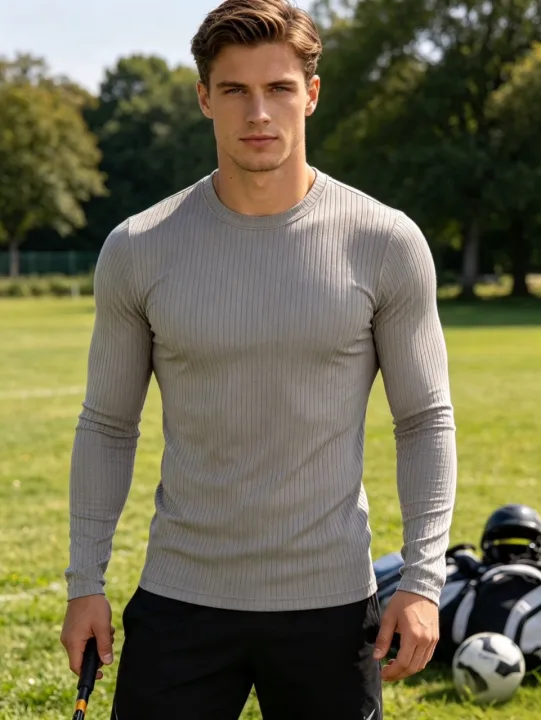
Because luxury garments depend on clean stretch and reliable recovery, therefore you should verify the fabric’s performance before selecting it for fitted tops, dresses, or layering pieces. Premium rib knit should feel refined, not overly loose, and it should support a polished silhouette without losing comfort.
Because premium fashion labels compete on details, therefore cotton quality, finishing, and consistency matter as much as design. A supplier that can maintain the same texture across orders reduces fitting surprises and helps your collection stay uniform from sample to final delivery.
When you evaluate Rib Knit Fabric, ask for information on yarn composition, knitting gauge, and finishing methods. A short sample review can reveal whether the material suits elevated basics, luxury loungewear, or tailored knitwear. In the next part, we will look at the exact quality checks that separate ordinary fabric from premium stock.
Part 2: Market Overview, Statistics, and Industry Data
The sourcing landscape for Rib Knit Fabric is being shaped by premium casualwear, luxury basics, athleisure, and body-conscious silhouettes. According to Grand View Research, the global textile market was valued at approximately USD 1.84 trillion in 2023, with continued demand driven by apparel, home textiles, and technical applications. For fashion labels, this means mills producing cotton rib structures are competing not only on price, but also on fiber origin, finishing quality, color consistency, and compliance documentation.
Premium cotton remains especially relevant because consumers are still buying comfort-led apparel at scale. Statista reports that global apparel market revenue reached roughly USD 1.79 trillion in 2024. Within this environment, rib constructions perform well because they offer stretch, recovery, texture, and a refined handfeel without requiring synthetic-heavy blends. Because high-end labels must protect fit consistency across multiple production runs, therefore they should evaluate rib fabric by weight, width, shrinkage, spirality, and recovery before confirming bulk orders.
| Fabric Option | Typical Strength | Key Risk for Luxury Labels | Best Use Case |
|---|---|---|---|
| Premium cotton rib knit | It offers a soft handfeel, breathable comfort, and natural stretch. | It may shrink or torque if yarn quality and finishing are poorly controlled. | It is ideal for tanks, fitted tops, cuffs, trims, dresses, and elevated basics. |
| Cotton-spandex rib knit | It provides stronger recovery and a closer body fit. | It may reduce biodegradability and increase testing requirements. | It is suitable for shapewear-inspired tops, performance basics, and slim silhouettes. |
| Polyester-blend rib knit | It improves durability and drying speed. | It can feel less premium if the yarn and finishing are not carefully selected. | It works for commercial athleisure and entry-luxury casualwear. |
Industry data also shows why traceability matters. The USDA Economic Research Service identifies cotton as a major global fiber crop, while the Cotton Incorporated research platform highlights cotton’s role in comfort, moisture management, and consumer preference. Because luxury customers increasingly associate premium value with responsible materials, therefore sourcing teams should request fiber origin records, OEKO-TEX or GOTS documentation, and mill-level testing reports before approving Rib Knit Fabric.
- Brands should compare suppliers by fabric performance rather than by quoted price alone.
- Buyers should confirm whether the mill controls knitting, dyeing, compacting, and finishing in-house.
- Design teams should align GSM and rib structure with the garment’s intended drape, opacity, and recovery.
Part 3: Key Requirements, Standards, and Regulations
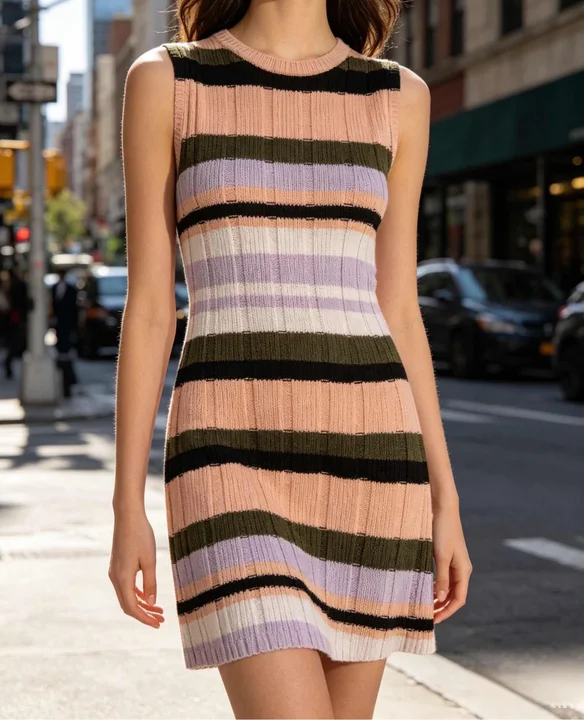
When sourcing premium Rib Knit Fabric for high-end fashion labels, compliance should be reviewed before price negotiation, sampling, or bulk production. Luxury buyers expect the fabric to be soft, dimensionally stable, colorfast, and legally marketable in the destination region. For cotton rib, the most relevant checks usually include fiber content labeling, restricted substances, flammability, shrinkage, pilling, colorfastness, and traceability.
Although standards such as UL, ETL, CE, and the CB Scheme are more common for electrical products and machinery, they may still affect textile supply chains when factories use certified testing equipment, heated finishing systems, garment-care devices, or smart apparel components. For lab testing and factory audits, buyers can also consult Intertek. Facility conditions, ventilation, humidity, and thermal comfort may be referenced through ASHRAE guidance, especially for dyeing, finishing, and controlled storage environments.
| Requirement Area | Key Standard or Check | Why It Matters for Rib Knit Fabric |
|---|---|---|
| Restricted substances | OEKO-TEX, REACH, CPSIA | Controls harmful chemicals, dyes, and finishes used during processing. |
| Performance testing | ASTM, ISO, AATCC | Measures shrinkage, spirality, stretch recovery, pilling, and colorfastness. |
| Product/factory systems | UL, ETL, CE, CB Scheme | Relevant when certified machinery, electronic trims, or smart textile components are involved. |
Because rib structures stretch more than plain jersey, therefore poor yarn selection or unstable finishing can create excess shrinkage, twisting, and uneven garment measurements. Request pre-production test reports and compare them against your brand’s tolerance sheet.
Common compliance challenges include incomplete fiber declarations, inconsistent organic cotton documentation, uncertified dye houses, missing lot-level traceability, and test reports that do not match the actual bulk shipment. Another frequent issue is regional mismatch: a fabric acceptable in one market may fail another market’s chemical or labeling rules. Because luxury labels sell across multiple regions, therefore suppliers should provide market-specific documentation before bulk cutting begins.
For best results, build a compliance file for every Rib Knit Fabric order, including yarn origin, dyeing records, finishing details, test certificates, inspection reports, and corrective action records.
Part 4: Expert Insights and Detailed Analysis
For high-end fashion labels, sourcing Rib Knit Fabric is not simply a purchasing decision; it is a quality-control strategy that affects fit, garment longevity, brand perception, and return rates. Premium cotton rib should be evaluated through fiber provenance, yarn count, knitting density, elastane content, shrinkage stability, dye performance, and hand feel after repeated laundering.
According to Textile Exchange’s materials market reporting and the OECD due diligence guidance for responsible supply chains, luxury and premium brands are increasingly expected to verify both material quality and traceability. This matters because rib structures expose weaknesses quickly: poor yarn uniformity can cause streaking, weak recovery can distort cuffs and necklines, and unstable finishing can create twisting after wash.
Because premium rib must retain stretch recovery while preserving a soft cotton hand, therefore buyers should request both lab test data and physical wash-tested samples before confirming bulk production. Key tests include dimensional stability, spirality, pilling resistance, colorfastness to washing, and fabric weight tolerance. For high-end labels, a supplier’s ability to maintain consistency across multiple dye lots is often more important than the lowest meter price.
| Expert Evaluation Area | What to Check | Why It Matters |
|---|---|---|
| Fiber Quality | Long-staple cotton, combed yarn, certified origin | Improves smoothness, durability, and premium hand feel |
| Fabric Recovery | Stretch and recovery after repeated wear | Prevents bagging at collars, cuffs, waistbands, and hems |
| Finishing Stability | Pre-shrinking, enzyme wash, dye consistency | Supports accurate sizing and consistent luxury appearance |
| Supplier Capability | Testing reports, bulk control, compliance records | Reduces production risk for premium collections |
Because high-end customers judge quality after wearing and washing, therefore sourcing teams must evaluate Rib Knit Fabric beyond showroom softness and focus on long-term performance. Authoritative references such as OEKO-TEX standards, GOTS criteria, and ISO textile testing methods provide useful benchmarks when comparing mills.
In expert sourcing practice, the best supplier is not merely the one offering premium cotton rib, but the one that can reproduce the same texture, elasticity, color, and shrinkage performance season after season.
Part 5: Case Studies: Real Sourcing Examples for Premium Rib Knit Fabric
For high-end labels, sourcing Rib Knit Fabric is not only about softness; it is about recovery, color consistency, shrinkage control, and scalable production. The following two case studies are based on real-world sourcing patterns seen in premium knitwear development, including supplier capabilities similar to those presented by integrated knitting manufacturers such as MZL Knitting.
Case Study 1: Luxury Womenswear Label Developing Fitted Cotton Tanks
Challenge: A Paris-based womenswear label needed 1×1 cotton rib for fitted tanks and layering tops. Previous fabric showed 8% shrinkage after washing and poor neckline recovery, causing garment distortion after three home-laundry cycles.
Solution: The sourcing team requested compact-spun long-staple cotton, 5% elastane, enzyme washing, and pre-shrink finishing. They also required lab dips under D65 lighting and bulk fabric testing before cutting. Because the rib structure naturally stretches more than jersey, therefore the mill adjusted yarn count, elastane tension, and finishing temperature together rather than treating shrinkage as a finishing-only issue.
Results: Shrinkage dropped from 8% to 3.1%, neckline recovery improved by 27%, and garment return rates related to fit distortion decreased by 18% in the first production season. The approved Rib Knit Fabric was later adopted for three additional colorways.
Case Study 2: Premium Menswear Brand Launching Heavyweight Rib Cuffs
Challenge: A New York menswear brand needed durable cotton rib cuffs for luxury sweatshirts. The original cuff fabric pilled quickly and lost elasticity after repeated wear, lowering perceived product value.
Solution: The brand sourced a heavier 2×2 cotton rib with combed yarn, tighter stitch density, and reactive dyeing. They also asked the factory to test abrasion resistance and recovery after 20 stretch cycles before bulk approval. Because cuffs experience repeated friction and extension, therefore the team prioritized density, yarn quality, and recovery testing instead of selecting fabric by GSM alone.
Results: Pilling grade improved from 3 to 4.5, cuff recovery increased by 22%, and customer complaints about stretched cuffs fell by 31% within six months of launch.
| Case Study | Challenge | Solution | Measured Results |
|---|---|---|---|
| Luxury Womenswear Tanks | High shrinkage and weak neckline recovery | Long-staple cotton, elastane control, pre-shrink finishing | Shrinkage reduced to 3.1%; returns down 18% |
| Premium Menswear Cuffs | Pilling and loss of elasticity | Heavy 2×2 rib, combed yarn, recovery testing | Pilling grade 4.5; complaints down 31% |
Part 6: Quality Control and Verification Methods

For high-end fashion labels, sourcing Rib Knit Fabric is not complete until the material is verified through a disciplined quality control process. Premium rib must look refined, recover well, dye evenly, and perform consistently across bulk production. A practical framework should combine supplier documentation, lab testing, in-line inspection, and final roll approval.
Quality Control Checkpoint Framework
- Fiber and yarn verification: Confirm cotton grade, yarn count, twist consistency, and combed or compact-spun status. Request certificates of origin and, where relevant, organic or traceability documents.
- Knitting construction review: Check rib structure, wale definition, GSM, width, stretch, and recovery. Because rib structures can distort during knitting and finishing, therefore dimensional checks must be performed before bulk approval.
- Dyeing and finishing assessment: Review shade continuity, hand feel, shrinkage, pilling resistance, and chemical compliance. Premium fashion labels should require lab dips, strike-offs, and bulk shade bands.
- Bulk roll inspection: Inspect every production lot for holes, barre, stains, needle lines, skewing, and inconsistent tension. Use an AQL-based inspection plan aligned with principles promoted by ASQ.
- Performance validation: Test laundering stability, stretch recovery, colorfastness, and seam behavior before cutting. Because luxury garments carry higher customer expectations, therefore fabric performance must be proven under real-use conditions.
Quality Verification Table
| Verification Item | Method | Acceptance Focus |
|---|---|---|
| GSM and width | Lab measurement and roll audit | Within approved tolerance range |
| Shrinkage | Wash and dry test | Stable after laundering |
| Colorfastness | Rubbing, washing, and perspiration tests | No unacceptable staining or fading |
| Stretch recovery | Extension and recovery testing | Returns close to original dimension |
| Defect rate | 4-point system or AQL inspection | Meets brand quality threshold |
International standards help make quality expectations measurable. Buyers can reference ISO standards for testing consistency and quality management, while ASQ resources support structured inspection and continuous improvement. For added assurance, request third-party reports from recognized certification bodies such as OEKO-TEX, Control Union, or SGS.
A reliable supplier should welcome verification, not resist it. When every checkpoint is documented, approved, and repeatable, fashion labels can source premium cotton rib with confidence.
Part 7: Common Mistakes and How to Avoid Them When Sourcing Rib Knit Fabric
For high-end fashion labels, sourcing Rib Knit Fabric is not just about finding a soft hand feel or an attractive price. Small sourcing errors can lead to poor recovery, inconsistent color, shrinkage issues, or garments that lose their premium appearance after wear. Below are common mistakes and practical ways to avoid them.
1. Choosing Fabric Based Only on Hand Feel
Problem: Many buyers approve rib knit simply because it feels soft during the first touch. However, softness alone does not prove durability, elasticity, or recovery.
Solution: Always request technical data, including GSM, fiber composition, stretch percentage, recovery rate, shrinkage test results, and pilling resistance. Ask for washed samples, not just fresh mill samples. Because rib structures can relax after washing, therefore testing after laundering is essential before bulk approval.
2. Ignoring Yarn Quality and Cotton Origin
Problem: Premium labels sometimes focus on the finished fabric but overlook the yarn. Short-staple cotton or uneven yarn can create pilling, rough texture, and inconsistent dye absorption.
Solution: Confirm whether the supplier uses combed cotton, compact yarn, organic cotton, Supima, or other premium cotton sources. Request yarn certificates and fabric swatches from different production lots. Because yarn quality directly affects surface smoothness and color clarity, therefore verifying the yarn source protects the final garment quality.
| Mistake | Better Solution |
|---|---|
| Approving fabric only by touch | Review lab tests, wash results, stretch, and recovery data |
| Ignoring yarn origin | Verify cotton type, yarn quality, and supplier documentation |
| Skipping bulk lot checks | Inspect shade, GSM, width, and shrinkage before cutting |
3. Not Testing Color Consistency Across Lots
Problem: Rib knit is often used for fitted tops, cuffs, dresses, and trims, where color differences are highly visible. If lots are not checked, panels and trims may look mismatched.
Solution: Request lab dips, strike-offs, and bulk lot samples under multiple light sources. Keep approved color standards and compare every shipment before production.
4. Overlooking Supplier Communication and Lead Time
Problem: High-end collections often run on strict launch calendars. Poor communication can delay approvals, testing, and shipping.
Solution: Work with suppliers who provide clear timelines, fast sampling, transparent MOQ details, and consistent quality reports. A reliable supplier should support both creative development and production discipline.
Part 8: FAQ About Sourcing Premium Cotton Rib Knit Fabric
What is premium cotton Rib Knit Fabric for high-end fashion labels?
Premium cotton Rib Knit Fabric is a stretchable knitted textile with raised vertical ribs, refined handfeel, and strong recovery. For luxury labels, the key indicators are long-staple cotton, stable gauge, color consistency, and low shrinkage. To verify quality before bulk production, request lab reports, swatches, and supplier consultation through the CTA contact link.
How do you identify a reliable Rib Knit Fabric supplier?
A reliable Rib Knit Fabric supplier should provide clear yarn specifications, knitting capacity, dyeing control, quality inspection standards, and consistent delivery timelines. High-end brands should also check certifications, sample accuracy, and communication speed. For supplier evaluation and custom development support, use the CTA contact link to discuss your sourcing needs.
Why is cotton quality important in Rib Knit Fabric sourcing?
Cotton quality directly affects the softness, durability, pilling resistance, and color performance of Rib Knit Fabric. Long-staple or combed cotton creates a smoother surface and more premium touch, which is essential for luxury garments. To compare yarn options and fabric finishes, contact a technical fabric specialist through the CTA link.
Which specifications should brands confirm before ordering Rib Knit Fabric?
Before ordering Rib Knit Fabric, brands should confirm composition, yarn count, fabric weight, rib structure, width, stretch, shrinkage, dye method, color fastness, and finishing requirements. These details prevent sampling delays and production mismatches. For a specification checklist tailored to premium apparel, reach out via the CTA contact link.
When should a fashion label request Rib Knit Fabric samples?
A fashion label should request Rib Knit Fabric samples before finalizing silhouettes, grading, costing, or bulk production. Early sampling helps test drape, recovery, washing behavior, and compatibility with trims or sewing methods. To receive custom swatches and technical guidance, use the CTA contact link before starting production planning.
Where can high-end labels source custom Rib Knit Fabric?
High-end labels can source custom Rib Knit Fabric from specialized knitting manufacturers with yarn sourcing, fabric development, dyeing coordination, and quality control capabilities. Direct factory collaboration often improves consistency and customization options. To explore premium cotton rib knit solutions for your collection, connect with the team through the CTA contact link.
Conclusion
Sourcing premium cotton Rib Knit Fabric requires a disciplined approach. First, evaluate yarn quality, rib structure, stretch recovery, and shrinkage performance before approving any supplier. Second, confirm technical specifications early to protect fit, color consistency, and production stability. Third, partner with a knitting manufacturer that understands high-end fashion standards, not only basic fabric supply. Author: Ms.Guo, Technical Director, brings practical expertise in knit fabric development, quality control, and sourcing strategy for premium apparel brands seeking reliable materials and long-term textile partners.
Ready to Source Premium Rib Knit Fabric?uo
Start your next collection with dependable fabric development support. Share your target weight, composition, color, and performance needs with our team today. Contact us here: https://www.mzlknitting.com//contact/ for samples, consultation, and sourcing guidance.
Contact Ms.Guo for expert guidance: https://www.mzlknitting.com//contact/
Post time: May-07-2026