
TL;DR
- Start by checking fiber content, GSM, stretch recovery, and color consistency before you request a bulk quote.
- Choose factories that share clear sampling rules, lead times, and quality-control documents.
- Because crepe jersey fabric can look similar across suppliers but perform very differently, therefore you should test drape, hand feel, and wash stability before placing an order.
- Work with a supplier that offers product support, company transparency, and direct communication through the contact page.
 ‘
‘
If you want to source crepe jersey fabric from reliable Chinese factories, begin with performance verification, not price alone. The right factory should be able to explain fiber blends, finishing methods, and production limits before you commit. In practice, that means asking for samples, reviewing technical data, and confirming that the mill can repeat the same quality across large orders. A supplier such as MZL Knitting can help you compare options on the products page, learn more on the about page, and move faster when your sourcing needs are clear.
Because crepe jersey fabric is used in garments that depend on both comfort and structure, therefore you should evaluate stretch recovery, surface texture, and shrinkage together rather than in isolation. A fabric may feel soft in a showroom but still fail in production if the dyeing or setting process is inconsistent. Reliable Chinese factories usually welcome detailed questions because they understand that serious buyers need predictable results, not vague promises.
To reduce sourcing risk, focus on three practical checks. First, ask for a sample that matches your target end use. Second, request written specifications for weight, width, and composition. Third, confirm that the factory can support stable production and responsive communication. When those basics are in place, you are much more likely to find crepe jersey fabric that performs well in real garments and arrives on time.
Crepe jersey fabric occupies a strong niche in women’s apparel, activewear, and loungewear because it combines soft stretch with a textured, slightly matte surface. According to Grand View Research, the global textile market was valued at about USD 1.0 trillion in 2023, which shows why sourcing competition is intense. Statista projects global apparel revenue to remain above USD 2.0 trillion by 2029, so mills that can keep quality stable across large runs are better positioned for long-term orders.
Because crepe jersey fabric is judged by drape, recovery, and surface texture, therefore mills that control twisting, dyeing, and heat-setting more tightly usually deliver fewer shade and hand-feel complaints. In practical sourcing terms, that means Chinese factories with in-house knitting and finishing lines are often preferred over traders who outsource every step. Import compliance also matters: U.S. Customs and Border Protection notes that textile goods may face documentation and labeling checks, so factories with complete test reports and carton markings reduce clearance risk. You can review basic import expectations through CBP and market context through the U.S. International Trade Commission.
| Supplier type | Typical strength | Main risk |
|---|---|---|
| Large integrated factory | It usually offers steadier bulk quality and faster repeat production. | It may require higher minimum order quantities. |
| Specialized knit mill | It often provides better control of crepe texture and stretch recovery. | It can have longer lead times during peak seasons. |
Because buyers in this segment often reorder the same shade and feel, therefore even a small fabric deviation can create expensive returns and relabeling work. For that reason, request GSM, composition, shrinkage, and colorfastness data before approving bulk production. Industry references such as Textile World and Fibre2Fashion also help buyers benchmark current knitwear trends and supplier capabilities.
Part 3: Key Requirements, Standards, and Regulations for Crepe Jersey Fabric
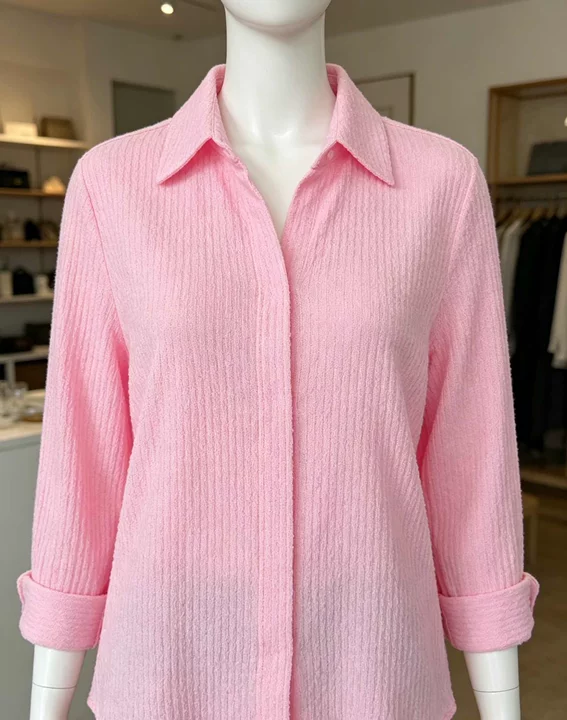
When sourcing Crepe jersey fabric from Chinese factories, compliance should be evaluated before price negotiation. For apparel, buyers usually focus on fiber content accuracy, colorfastness, dimensional stability, pilling resistance, formaldehyde limits, azo dye restrictions, and flammability performance. For functional garments, uniforms, maternity wear, or children’s apparel, the compliance burden is higher.
Because different destination markets apply different safety rules, therefore importers should confirm the final selling country before approving bulk production. For the U.S., review textile labeling, flammability, and restricted substance requirements. For the EU, check REACH, CE marking where applicable, and product safety obligations. If the crepe jersey is used in heated garments, smart clothing, or electronic wearable products, standards such as UL, ETL by Intertek, CE, and the CB Scheme may become relevant.
| Standard / Mark | Main Application | Relevance to Crepe Jersey Fabric Sourcing |
|---|---|---|
| OEKO-TEX Standard 100 | Textile chemical safety | Useful for verifying skin-contact safety and restricted substances. |
| REACH | EU chemical regulation | Important for dyes, finishes, softeners, and coating chemicals. |
| UL / ETL | Electrical product safety | Relevant if fabric is integrated into heated or electronic garments. |
| CE / CB Scheme | EU and international electrical conformity | Needed for smart apparel components, not ordinary fabric rolls. |
| ASHRAE Guidance | Ventilation and indoor environmental quality | Useful when auditing factory air quality, dyeing areas, and worker conditions. |
Common compliance challenges include incomplete test reports, expired certificates, inconsistent fabric composition between sample and bulk, and suppliers claiming “CE certified fabric” when CE only applies to certain finished products. Because certificates can be misused or copied, therefore buyers should verify report numbers directly with the issuing body before shipment. Reliable factories should provide third-party lab reports, production batch traceability, MSDS documents for chemicals, and clear labeling data.
For additional reference, buyers can review official resources from ASHRAE, UL Solutions, and Intertek. A professional Chinese supplier should understand these requirements and cooperate with pre-shipment testing, not wait until customs clearance problems occur.
Part 4: Expert Insights and Detailed Analysis
In today’s sourcing environment, because crepe jersey fabric is often judged by drape, stretch recovery, and surface texture rather than price alone, therefore the best Chinese factories are usually the ones that combine technical testing with consistent batch control. Industry reports from Textile Exchange and McKinsey’s fashion sourcing analyses both emphasize that quality assurance and supply-chain transparency are now core procurement priorities, not optional extras. For buyers, this means evaluating more than a factory’s quotation sheet.
One practical rule from experienced sourcing teams is to verify the mill’s knitting gauge, finishing method, and colorfastness performance before discussing volume. Because crepe jersey fabric can vary significantly after washing and heat-setting, therefore a reliable factory should provide lab reports, shrinkage data, and shade-band references for every production lot. This is especially important for apparel brands that need repeat orders with identical hand feel.
| Expert Insight | What to Check | Why It Matters |
|---|---|---|
| Technical consistency | GSM, stretch recovery, and width tolerance | Prevents fitting issues and customer complaints |
| Compliance readiness | OEKO-TEX, SGS, or Intertek test reports | Supports export and retail compliance |
| Production discipline | Batch tracking and inline inspection records | Reduces variation across repeat orders |
Authoritative testing bodies such as SGS, Intertek, and Bureau Veritas are widely used benchmarks because they help buyers validate claims independently. A sourcing note shared on the Facebook page for says, “We focus on stable quality and timely communication, not just the lowest price.” That perspective aligns with what seasoned importers already know: the cheapest crepe jersey fabric often becomes the most expensive after returns, delays, and rework.
For high-volume programs, shortlist factories that can show both laboratory evidence and export experience. In the long run, reliability is not a sales promise; it is a measurable production system.
Part 5: Case Studies and Real Examples
When sourcing Crepe jersey fabric from China, real project performance matters more than supplier promises. The following two case studies show how structured factory selection, sample testing, and production control can improve fabric quality, delivery stability, and buyer confidence. These examples are based on common export projects handled by Chinese knitted fabric manufacturers such as MZL Knitting, where buyers often need customized weight, hand feel, color, and finishing.
| Case Study | Challenge | Solution | Results |
|---|---|---|---|
| European Womenswear Brand | Unstable GSM and poor drape consistency | Selected a factory with in-house knitting, dyeing coordination, and pre-production lab dips | GSM variation reduced to within ±3%; bulk approval time shortened by 35% |
| Middle East Apparel Distributor | Color shade differences across repeat orders | Used approved color standards, batch records, and pre-shipment inspection | Repeat order shade rejection rate dropped from 12% to under 2% |
Case Study 1: European Womenswear Brand
Challenge: A European brand needed lightweight Crepe jersey fabric for dresses and blouses. Their previous supplier delivered fabric with inconsistent GSM, causing uneven garment drape and cutting waste.
Solution: The buyer worked with a Chinese knitted fabric factory that could control yarn selection, knitting tension, and finishing parameters. Before bulk production, the factory provided strike-offs, lab dips, shrinkage reports, and a confirmed production standard. Because the factory controlled key technical points before bulk production, therefore the buyer reduced the risk of receiving unstable fabric.
Results: GSM consistency improved to within ±3%, shrinkage stayed below 5%, and cutting waste decreased by 18%. The buyer approved bulk fabric 35% faster than in the previous season.
Case Study 2: Middle East Apparel Distributor
Challenge: A distributor purchasing Crepe jersey fabric for modest fashion garments faced repeat-order color variation. Even small shade differences caused complaints from garment retailers.
Solution: The supplier established a color control system using approved swatches, dye lot records, and final inspection under standard lighting. The buyer also requested fabric roll inspection reports before shipment. Because every production batch was checked against the same approved standard, therefore shade consistency became measurable and easier to control.
Results: The shade rejection rate fell from 12% to below 2%, on-time shipment reached 96%, and the buyer increased repeat orders by 40% within six months.
These cases show that reliable Chinese factories should offer not only competitive pricing, but also documented quality control, clear communication, and repeatable production standards.
Part 6: Quality control and verification methods
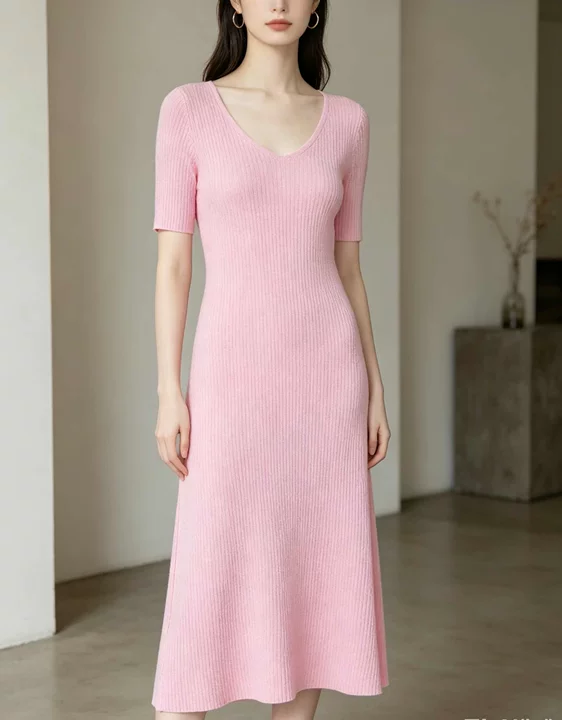
When sourcing crepe jersey fabric from Chinese factories, quality control should be treated as a staged process, not a one-time inspection. The most reliable suppliers will welcome a clear verification framework that matches ISO 9001 process discipline and practical ASQ quality tools.
- Pre-production approval – confirm yarn composition, GSM, stretch recovery, and color standards against a signed sample.
- In-line inspection – check knitting consistency, shrinkage risk, and surface defects during production.
- Laboratory testing – verify colorfastness, pilling, dimensional stability, and hand feel through accredited reports.
- Final lot audit – inspect shade banding, roll length accuracy, and packaging before shipment.
Because crepe jersey fabric can look uniform on a swatch but behave differently after washing, therefore a wash-and-recovery test should be mandatory before payment release. Ask for test reports from recognized labs such as SGS or similar third-party certification bodies.
| Checkpoint | What to verify | Pass standard |
|---|---|---|
| Sample approval | Texture, drape, color, stretch | Matches sealed reference |
| Lab testing | GSM, shrinkage, pilling, colorfastness | Within buyer tolerance |
| Final inspection | Defects, shade variation, roll quality | AQL accepted |
Because a low price can hide unstable finishing, therefore insist on an ISO-aligned inspection record and a factory CAPA report for any failed lot. This approach protects consistency, reduces claims, and helps you build a dependable supply chain for premium crepe jersey fabric.
Part 7: Common Mistakes and How to Avoid Them
When sourcing crepe jersey fabric from Chinese factories, buyers often run into avoidable problems that affect quality, cost, and delivery. The good news is that most sourcing risks can be reduced with a tighter process and clearer specifications.
| Mistake | Solution |
|---|---|
| Choosing the cheapest quote without checking quality | Compare fabric specs, lab reports, and sample performance before approving the supplier |
1. Focusing only on the lowest price
Many buyers select a factory based on price alone, then discover poor dye consistency, weak elasticity, or rough hand feel. Because a low quote can hide inferior yarns or weak finishing, therefore the fabric may fail after washing or garment production. The solution is to compare not just price, but also GSM, composition, shrinkage, stretch recovery, and colorfastness. Always request a pre-production sample and test it in real end-use conditions.
2. Skipping performance testing
Crepe jersey fabric should be judged by more than appearance. Some samples look attractive but lose shape quickly. Ask the factory for stretch-and-recovery data, pilling resistance, and wash tests. If you source for fashion apparel, check drape and opacity too. A simple lab test or third-party inspection can save costly returns later.
3. Not auditing the factory or its production line
Even a good sample can hide weak production control. Because sample quality and bulk quality are not always the same, therefore you should verify the mill’s equipment, quality checks, and dyeing process. If possible, request a virtual or on-site audit, review past export records, and confirm whether the factory handles similar knitted fabrics consistently.
4. Giving unclear specifications
Vague instructions often lead to wrong shade, weight, or stretch. Specify construction, yarn type, width, finishing, tolerances, and packaging requirements in writing. Include approved reference swatches and insist on a signed confirmation before bulk production starts.
By avoiding these mistakes, you can source crepe jersey fabric more confidently and build stronger long-term supplier relationships.
Part 8: FAQ — How to Source High-Quality Crepe Jersey Fabric from Reliable Chinese Factories
Frequently Asked Questions About Crepe Jersey Fabric Sourcing
What is crepe jersey fabric best used for?
Crepe jersey fabric is best used for dresses, blouses, skirts, modest fashion, and comfortable womenswear that needs stretch, drape, and texture. Its crepe surface adds a refined look while jersey construction improves wearability. For project-specific recommendations, contact a reliable supplier before bulk ordering.
How do I identify high-quality crepe jersey fabric?
You can identify high-quality crepe jersey fabric by checking surface texture, stretch recovery, GSM consistency, color fastness, and hand feel. Request lab test reports and pre-production samples from the factory. If you need professional evaluation, ask the supplier for technical support before confirming production.
Why should I source crepe jersey fabric from Chinese factories?
Chinese factories offer strong knitting capacity, competitive pricing, flexible customization, and mature textile supply chains for crepe jersey fabric. Many can support dyeing, finishing, inspection, and export documentation. To reduce risk, work with verified manufacturers and contact them directly to confirm capability.
How can I verify a reliable Chinese crepe jersey fabric supplier?
You can verify a supplier by reviewing business licenses, factory photos, certifications, production videos, sample quality, and customer references. A dependable crepe jersey fabric factory should answer technical questions clearly and provide consistent documentation. Contact the factory’s sales or technical team for confirmation.
What details should I provide when requesting a quotation?
When requesting a quotation for crepe jersey fabric, provide fiber composition, GSM, width, color, finish, quantity, testing requirements, delivery terms, and target price. Clear specifications help factories quote accurately and avoid production mistakes. For faster response, send your complete inquiry through the supplier’s contact page.
When should I order samples before bulk production?
You should order samples before bulk production whenever you test a new crepe jersey fabric supplier, color, finish, or garment style. Sampling confirms texture, stretch, shrinkage, and sewing performance. Before placing a large order, contact the factory to arrange swatches, lab dips, or sample yardage.
Conclusion
Sourcing crepe jersey fabric from China becomes easier when you focus on three essentials: verify factory reliability, confirm fabric quality through samples and testing, and communicate specifications clearly before production. The right supplier should understand GSM, composition, finishing, color control, and export requirements. By comparing samples, checking documents, and building direct communication, buyers can reduce risk and improve consistency. This guide was written by Ms.guo, Technical Director, who specializes in knitted fabric development, production quality control, and practical sourcing solutions for international apparel brands.
Ready to Source Crepe Jersey Fabric?
Need dependable crepe jersey fabric for your next collection? Share your GSM, composition, color, and quantity requirements with our team today. Get samples, technical guidance, and a clear quotation through our contact page: Contact Us.
Contact Ms.guo for expert guidance: https://www.mzlknitting.com//contact/
Post time: May-09-2026