
- High-density Single Jersey is best sourced by confirming yarn quality, fabric weight in grams per square meter, and dimensional stability before bulk orders.
- Global apparel brands should choose mills with clear production control, repeatable dyeing standards, and export-ready documentation.
- Sampling, testing, and shade approval reduce risk before committing to large-volume production.
- MZL Knitting supports international buyers through product development, factory transparency, and direct communication channels.
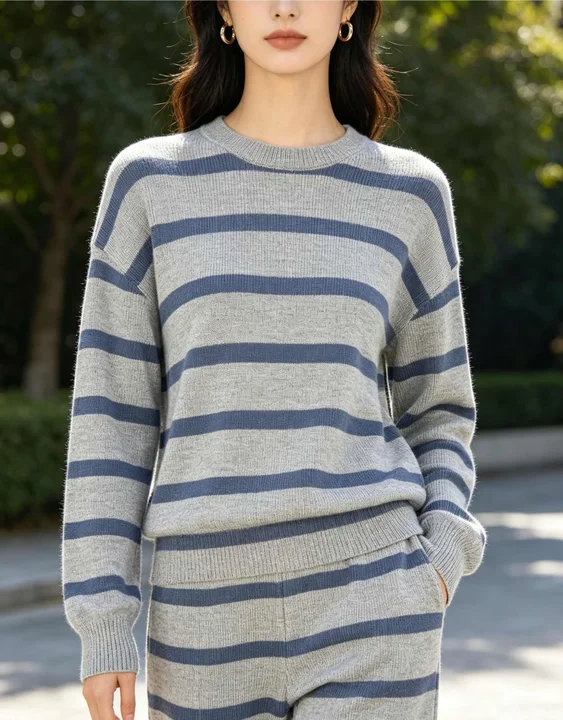
High-density Single Jersey should be sourced from a knitting supplier that can control yarn selection, knitting tension, fabric weight, dyeing consistency, and shrinkage performance. For global apparel brands, the right supplier is not only the lowest-cost option but the partner that can deliver stable quality across repeated orders. Buyers should request technical specifications, lab testing, production lead times in days, and export experience before confirming bulk production. Because high-density fabric depends on consistent loop formation and finishing control, therefore supplier evaluation must begin with fabric performance rather than price alone.
Single Jersey remains one of the most widely used knitted fabrics for T-shirts, tops, underwear, casualwear, and children’s apparel because it balances softness, stretch, breathability, and production efficiency. In year 2026, brands are asking for higher fabric density because consumers expect better opacity, improved hand feel, and longer garment life. A reliable mill should explain the relationship between yarn count, machine gauge in needles per inch, and finished fabric weight in grams per square meter.
When reviewing a potential supplier, start with its available fabric range. You can explore current knitted fabric options through the MZL Knitting products page. A qualified supplier should provide development support for cotton, polyester, viscose, modal, spandex blends, and other commonly requested yarn systems.
- Buyers should confirm that the supplier can match target fabric weight in grams per square meter within an agreed tolerance range.
- Buyers should request shrinkage results after washing cycles because garment fit depends on stable fabric dimensions.
- Buyers should check color consistency between lab dips, pre-production samples, and bulk lots.
- Buyers should review the supplier’s background and production capability through the MZL Knitting about page.
Because global brands must protect delivery schedules and product reputation, therefore communication speed and production transparency are essential sourcing criteria. Before placing a bulk order, buyers should discuss specifications, sampling timelines in days, packing requirements, and shipping documentation directly with the factory. To begin a sourcing conversation, contact the team through the MZL Knitting contact page.
Part 2: Market Overview, Statistics, and Industry Data
The global demand for Single Jersey fabrics is being shaped by three forces: casualwear growth, performance basics, and tighter sourcing control among apparel brands. According to Grand View Research, the global textile market was valued at approximately USD 1.84 trillion in 2023, with continued expansion expected as apparel, home textiles, and technical textiles grow across Asia, Europe, and North America. For sourcing teams, this means high-density knitted fabrics are no longer niche materials; they are core inputs for T-shirts, underwear, childrenswear, sportswear, and lifestyle collections.
Knitted apparel remains especially relevant because consumers continue to prioritize stretch, softness, and easy care. Statista estimates that global apparel market revenue will reach roughly USD 1.79 trillion in 2024. Because Single Jersey offers a cost-efficient balance of comfort, elasticity, and printability, therefore it remains one of the most commercially important fabric structures for global apparel brands.
| Fabric Category | Typical Use | Sourcing Advantage | Key Limitation |
|---|---|---|---|
| High-density Single Jersey | Premium T-shirts, base layers, underwear, and childrenswear. | It provides a smoother surface, better opacity, and stronger recovery than lighter jersey options. | It may require tighter yarn and knitting control to avoid spirality and shrinkage. |
| Interlock knit | Babywear, uniforms, and structured casualwear. | It delivers a thicker hand feel and improved dimensional stability. | It usually costs more and has less drape than Single Jersey. |
| Rib knit | Collars, cuffs, tanks, and stretch-fit garments. | It offers excellent stretch and recovery for fitted silhouettes. | It is less suitable for large printed body panels. |
From an industry-data perspective, sourcing decisions are also affected by fiber supply and compliance pressure. The Textile Exchange Materials Market Report reported global fiber production at approximately 116 million tonnes in 2022, showing the scale of raw-material demand behind knitted apparel. Cotton, polyester, viscose, and blends all play major roles in Single Jersey development, depending on price target, hand feel, durability, and sustainability claims.
- Brands should monitor cotton price volatility because it can directly affect landed fabric cost and seasonal margin planning.
- Brands should evaluate recycled polyester availability because certification, traceability, and minimum order quantities can influence production timelines.
- Brands should compare GSM, yarn count, and shrinkage data because these specifications determine whether the fabric performs consistently after washing.
Because high-density Single Jersey uses finer technical control in yarn selection, loop formation, dyeing, and finishing, therefore brands that qualify mills early can reduce bulk-production risk and improve repeat-order consistency. In 2026, the winning sourcing strategy is not simply to find the lowest price; it is to align fabric density, compliance documentation, testing standards, and regional production capacity before collection development begins.
Part 3: Key Requirements, Standards, and Regulations

For global apparel brands sourcing high-density Single Jersey in 2026, compliance must be evaluated at both fabric and factory level. While textiles are mainly governed by chemical safety, labeling, flammability, and sustainability rules, buyers should also review facility certifications and testing infrastructure, especially when suppliers use automated inspection, finishing, or climate-controlled production systems.
Because high-density Single Jersey is often used in premium T-shirts, sportswear, and base layers, therefore brands must confirm dimensional stability, colorfastness, pilling resistance, and restricted substance compliance before bulk approval. Key textile requirements include OEKO-TEX Standard 100, REACH, CPSIA for children’s apparel, California Proposition 65, GB standards for China, and relevant ISO/AATCC testing methods.
| Compliance Area | Relevant Standard or Scheme | Buyer Focus |
|---|---|---|
| Chemical safety | REACH, OEKO-TEX, Prop 65 | AZO dyes, formaldehyde, PFAS, heavy metals |
| Fabric performance | ISO, AATCC, ASTM | Shrinkage, GSM, burst strength, colorfastness |
| Factory equipment safety | UL, ETL, CE | Certified electrical systems, safe machinery, inspection devices |
| International electrical recognition | CB Scheme | Acceptance of test reports across multiple markets |
| Facility environment | ASHRAE guidelines | Humidity, ventilation, thermal control for stable knitting and finishing |
Common compliance challenges include inconsistent test reports, uncertified subcontract dye houses, unclear fiber composition, and mismatched labeling rules between the EU, US, UK, and GCC markets. Buyers should request original lab reports from approved bodies, such as Intertek, SGS, TÜV, or Bureau Veritas, rather than accepting internal mill test summaries only.
Because a dense Single Jersey structure can hide dye penetration or finishing defects, therefore random roll inspection and pre-shipment lab retesting are essential to reduce claim risk. Brands should also verify CE, UL, ETL, or CB documentation when supplier-owned testing equipment, dryers, compactors, or electronic inspection systems are used in production control.
A practical sourcing policy should combine fabric testing, chemical screening, social audit review, and equipment safety checks. This gives apparel brands a stronger compliance trail and helps ensure high-density Single Jersey can move smoothly through customs, retail audits, and marketplace quality reviews.
Part 4: Expert Insights and Detailed Analysis
For global apparel brands sourcing high-density Single Jersey in 2026, the key evaluation point is no longer price per kilogram alone. Buyers should examine density, recovery, shrinkage stability, surface clarity, dye consistency, and supplier traceability as one integrated risk model. Industry signals from Textile Exchange’s Materials Market Report, the OECD Due Diligence Guidance for Responsible Supply Chains, ZDHC chemical management guidance, and ITMF textile machinery analysis all point to the same conclusion: fabric sourcing decisions are becoming more technical, more transparent, and more compliance-driven.
Because high-density Single Jersey uses tighter stitch formation and often finer yarn counts, therefore small variations in yarn evenness, knitting tension, and finishing temperature can create visible spirality, bowing, or shade variation at bulk scale. This is why expert buyers request pre-production fabric testing before committing to large programs. GSM alone is insufficient; brands should also verify courses per inch, wales per inch, bursting strength, pilling grade, dimensional change after washing, and stretch recovery.
| Expert Focus Area | What to Check | Why It Matters |
|---|---|---|
| Fabric Engineering | Yarn count, stitch density, GSM tolerance | Controls hand feel, opacity, and garment durability |
| Color Performance | Lab dips, bulk shade bands, wash fastness | Reduces returns and cross-market inconsistency |
| Compliance | OEKO-TEX, ZDHC, recycled or organic claims | Supports retailer approval and ESG reporting |
| Supplier Capability | Knitting machines, finishing control, QC records | Improves repeatability across multiple orders |
Because global apparel brands face shorter product calendars and higher consumer scrutiny, therefore sourcing teams should qualify Single Jersey mills through data-backed sampling, not informal visual approval. A reliable supplier should provide test reports, machine specifications, finishing parameters, and corrective-action procedures. This approach aligns with the direction of McKinsey and Business of Fashion’s industry reporting, which emphasizes resilience, speed, and supply-chain accountability.
The practical recommendation is clear: treat high-density single jersey as a performance textile, not a commodity knit. Brands that combine technical fabric testing with verified supplier compliance will be better positioned to protect margins, reduce quality claims, and scale consistent apparel programs across regions.
Part 5: Case Studies and Real Examples
For global apparel brands, high-density Single Jersey sourcing is best evaluated through measurable outcomes: shrinkage, GSM stability, handfeel, lead time, and repeat-order consistency. The following two examples reflect common project types seen in export-oriented knitting suppliers such as MZL Knitting, where fabric development, knitting, dyeing coordination, and bulk quality control are managed for international buyers.
Case Study 1: Premium T-Shirt Program for a European Fashion Brand
Challenge: A European mid-market fashion brand needed a compact 220 GSM cotton Single Jersey for oversized T-shirts. Previous suppliers delivered inconsistent GSM, with bulk lots ranging from 205 to 232 GSM, causing cutting loss and size instability after washing.
Solution: The sourcing team selected a high-density circular-knit Single Jersey using combed cotton yarn, tighter stitch length control, and pre-bulk lab dips. Fabric was tested for dimensional stability before bulk approval. Because stitch length and finishing tension were controlled before mass production, therefore the supplier reduced GSM variation and improved garment consistency.
Results: GSM tolerance improved to ±5%, shrinkage after washing was controlled within 3%, and cutting waste dropped by 8.6%. The brand placed a repeat order of 48,000 meters within the next season due to better fit consistency and fewer inspection issues.
Case Study 2: Active-Casual Collection for a North American DTC Brand
Challenge: A direct-to-consumer apparel brand required a dense cotton-spandex Single Jersey for fitted tops and casual leggings. The main problem was poor recovery after stretch testing, leading to customer complaints about bagging at elbows and knees.
Solution: The fabric specification was adjusted to include 5% spandex, improved yarn feeding balance, and heat-setting during finishing. Bulk production followed in-line fabric inspection and roll-by-roll shade control. Because elastic recovery was engineered through yarn selection and finishing parameters, therefore the final fabric maintained shape better during repeated wear.
Results: Stretch recovery improved from 82% to 94%, return-related complaints decreased by 31%, and the brand reduced fabric rejections from 6.5% to 1.8% across three bulk shipments.
| Project | Fabric Type | Main Challenge | Solution | Measured Result |
|---|---|---|---|---|
| European T-Shirt Program | 220 GSM Cotton Single Jersey | GSM variation and shrinkage | Tighter stitch control and pre-bulk testing | ±5% GSM tolerance, 8.6% less cutting waste |
| North American DTC Collection | Cotton-Spandex Single Jersey | Poor stretch recovery | Spandex optimization and heat-setting | 94% recovery, 31% fewer complaints |
These cases show that successful high-density Single Jersey sourcing depends on technical control, not price alone. Brands should request test reports, approve pre-production samples, and work with suppliers capable of maintaining repeatable knitting and finishing standards.
Part 6: Quality Control and Verification Methods for High-Density Single Jersey
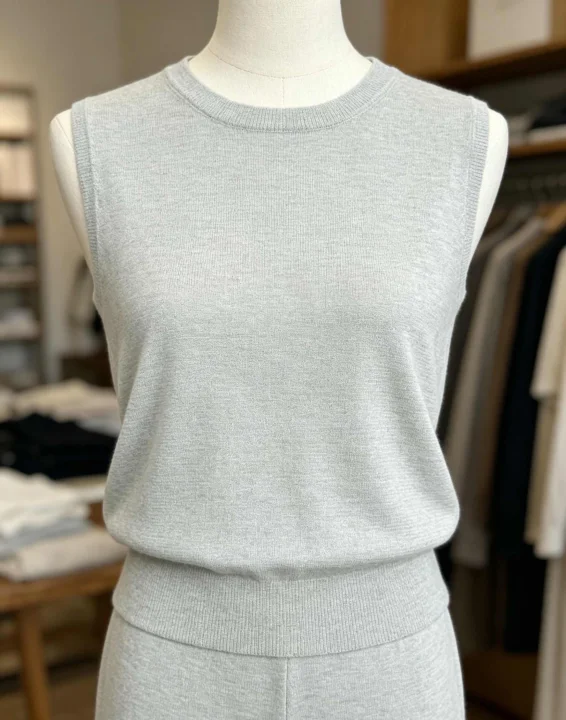
For global apparel brands sourcing high-density Single Jersey, quality control should be built into every stage of production, not added only at final inspection. A practical framework combines material validation, process monitoring, fabric testing, and shipment approval. This helps reduce shade variation, shrinkage claims, and performance failures after garment manufacturing.
Quality Control Checkpoints Framework
- Yarn and fiber verification: Confirm yarn count, fiber composition, twist level, and contamination control before knitting begins.
- Knitting process inspection: Check loop density, GSM consistency, needle lines, barre marks, and fabric width during production.
- Dyeing and finishing control: Verify shade matching, pH value, dimensional stability, hand feel, and finishing recipe consistency.
- Laboratory performance testing: Test shrinkage, colorfastness, pilling resistance, spirality, bursting strength, and recovery.
- Final roll inspection: Use a 4-point inspection system, review packing, roll length, shade grouping, and shipment documentation.
Because high-density Single Jersey is more sensitive to yarn irregularity and machine tension, therefore early-stage inspection prevents defects from being locked into the fabric structure. Brands should also request testing aligned with recognized systems such as ISO standards and quality management principles promoted by the ASQ.
| Verification Area | Recommended Method | Acceptance Focus |
|---|---|---|
| GSM and width | Roll sampling and calibrated measurement | Within approved tolerance |
| Shrinkage | Wash test based on ISO methods | Stable after laundering |
| Colorfastness | Rubbing, washing, and perspiration tests | Meets brand requirement |
| Surface defects | 4-point fabric inspection | No critical visual defects |
For added assurance, buyers may request certification or third-party verification from bodies such as SGS, Intertek, or Bureau Veritas. Because independent testing provides objective evidence, therefore it reduces sourcing risk and supports transparent supplier evaluation. A well-documented quality file should include test reports, inspection records, shade bands, washing results, and corrective action records before bulk approval.
Part 7: Common Mistakes and How to Avoid Them
Sourcing high-density Single Jersey can improve garment opacity, hand feel, and durability, but small sourcing errors often lead to bulk quality issues. Global apparel brands should control specifications, testing, and supplier communication before confirming production.
Common Mistake vs. Solution
| Mistake | Risk | Practical Solution |
|---|---|---|
| Approving fabric by GSM only | Poor stretch, weak recovery, or unexpected shrinkage | Define GSM, yarn count, stitch density, width, and finishing method together |
| Skipping lab dips and bulk shade checks | Color variation across production lots | Approve lab dips, strike-offs, and lot-by-lot shade bands |
| Ignoring end-use testing | Returns due to pilling, spirality, or deformation | Run wash, pilling, spirality, shrinkage, and colorfastness tests |
| Choosing suppliers only by price | Inconsistent quality and delayed delivery | Audit capacity, QC systems, certifications, and production history |
1. Relying Only on GSM
Many buyers assume a higher GSM automatically means better high-density Single Jersey. The problem is that GSM does not show loop structure, yarn quality, or dimensional stability. Because two fabrics can share the same GSM but use different yarn counts and knitting tensions, therefore their stretch, drape, and shrinkage can be completely different. To avoid this, create a full technical specification including GSM tolerance, yarn composition, yarn count, stitch length, width, finishing process, and shrinkage limits.
2. Approving Color Too Early
Another mistake is approving a lab dip without checking bulk production consistency. High-density fabrics can absorb dye differently, especially when compacting, enzyme washing, or silicone finishing is applied. Request lab dips under multiple light sources, then approve a production strike-off before bulk dyeing. For large orders, require roll-by-roll shade inspection and define acceptable shade bands in advance.
3. Skipping Performance Tests
Single Jersey used for premium T-shirts, uniforms, childrenswear, or athleisure must survive repeated washing and wearing. Because dense knitted structures may still twist, pill, or shrink after laundering, therefore testing before shipment is essential. Brands should require reports for shrinkage, spirality, pilling, bursting strength, colorfastness, and stretch recovery based on the garment’s target market.
4. Selecting the Cheapest Supplier
Low price can hide unstable yarn sourcing, outdated knitting machines, or weak inspection systems. Instead of comparing unit cost only, evaluate the supplier’s defect rate, machine gauge range, lead time reliability, certifications, and experience with high-density Single Jersey. A slightly higher fabric price often reduces claims, rework, and late shipment costs.
Part 8: FAQ and Conclusion for Sourcing High-Density Single Jersey
FAQ: High-Density Single Jersey Sourcing for Global Apparel Brands
What is high-density Single Jersey fabric?
High-density Single Jersey is a knitted fabric with tighter stitch construction, higher GSM, and improved opacity compared with standard jersey. It is commonly used for premium T-shirts, uniforms, activewear, and fashion basics. For specification support and sourcing guidance, contact the Mzl Knitting team through our contact page.
How do apparel brands choose the right Single Jersey GSM?
Brands should choose Single Jersey GSM based on garment purpose, hand feel, season, and target retail price. Lightweight styles may use lower GSM, while premium tees often require denser construction. Before bulk orders, request lab dips, strike-offs, and test reports via our contact page.
Why is shrinkage control important for Single Jersey sourcing?
Shrinkage control is essential because Single Jersey can change dimensions after washing, affecting fit consistency and customer satisfaction. Reliable suppliers manage knitting tension, finishing, compacting, and testing. To reduce production risk, ask Mzl Knitting for pre-production testing support through our contact page.
Can high-density Single Jersey be customized for global brands?
Yes, high-density Single Jersey can be customized by fiber blend, GSM, width, color, finish, stretch, and performance treatment. Global brands often request cotton, cotton-spandex, modal, bamboo, or recycled blends. For customized development, share your tech pack with Mzl Knitting through our contact page.
What quality tests should be required for Single Jersey fabric?
Key Single Jersey quality tests include GSM, width, shrinkage, color fastness, pilling, bursting strength, spirality, and fabric hand feel evaluation. These tests help confirm bulk consistency before garment production. To build a testing checklist for your program, contact Mzl Knitting through our contact page.
How can brands find a reliable Single Jersey supplier in 2026?
Brands can find a reliable Single Jersey supplier by checking factory experience, knitting capacity, finishing control, certification readiness, sampling speed, and communication quality. A strong supplier should support both development and bulk production. To discuss sourcing requirements, reach Mzl Knitting through our contact page.
Conclusion
High-density Single Jersey remains a strategic fabric choice for apparel brands seeking comfort, durability, and premium appearance in 2026. Key takeaways: first, define GSM, yarn, stretch, and finishing requirements before sampling; second, verify shrinkage, color fastness, spirality, and pilling through testing; third, choose a supplier with stable knitting, dyeing, finishing, and export communication. These steps help reduce sourcing risk and improve bulk consistency. Author bio: Ms.guo, Technical Director, specializes in knitted fabric development, quality control, and global apparel sourcing solutions for professional buyers.
Start Your Single Jersey Sourcing Project
Ready to develop high-density Single Jersey for your next apparel collection? Send your fabric specs, target GSM, color standards, and order plan to Mzl Knitting today. Contact our team here for sampling, pricing, and production support.
Contact Ms.guo for expert guidance: https://www.mzlknitting.com//contact/
Post time: May-12-2026