
- Recycled Terry Fabric is becoming the preferred sourcing choice because it helps brands reduce virgin fiber use while maintaining comfort and absorbency.
- Eco-conscious buyers are prioritizing verified materials because consumers expect clearer sustainability claims in the year 2026.
- Recycled terry supports circular product strategies because it can align with responsible apparel, towel, and loungewear programs.
- Working with an experienced knitting supplier helps brands control quality, sampling, and bulk production from early development onward.

Recycled Terry Fabric is becoming the new standard for eco-conscious brands because it combines the soft looped texture of traditional terry with a lower-impact material story. In the year 2026, global buyers need fabrics that meet comfort expectations, support sustainability targets, and remain practical for scalable production. Terry is widely used in hoodies, sweatshirts, towels, robes, and athleisure, so switching to recycled content can influence a broad product range. Because brands must reduce reliance on virgin resources, therefore recycled terry offers a practical path toward responsible sourcing without abandoning familiar performance.
For sourcing teams, the appeal of Terry Fabric is not only environmental. It is also commercial. Buyers want materials that feel substantial, absorb moisture well, and can be adapted for different weights, finishes, and garment categories. Recycled yarns can be blended with cotton, polyester, or other fibers to balance softness, durability, and cost. This flexibility makes terry a strong option for brands that want measurable progress rather than a symbolic sustainability claim.
Another reason recycled terry is gaining attention is traceability. Retailers and consumers increasingly ask where materials come from, how they are processed, and whether suppliers can support documentation. Because sustainability claims face more scrutiny, therefore brands need fabric partners that can provide clearer sourcing communication and consistent production control. This is especially important when developing seasonal collections or private-label programs across multiple markets.
At MZL Knitting, fabric development is supported by knitting expertise and buyer-focused service. Brands can review available textile directions through the product range and evaluate how recycled terry may fit future collections. For companies planning new eco-conscious programs, the best first step is to discuss fabric goals, target hand feel, and production needs through the contact page.
Part 2: Market Overview, Statistics, and Industry Data
In 2026, Terry Fabric is moving from a niche sustainable option to a mainstream sourcing requirement for towels, bathrobes, loungewear, spa textiles, and baby products. The shift is being driven by brand climate targets, retailer compliance rules, and consumer preference for lower-impact materials. According to Grand View Research, the global home textiles market was valued at approximately USD 125.73 billion in 2023, showing the scale of demand that recycled fibers can influence.
Recycled polyester and recycled cotton are especially important for terry categories because they reduce dependence on virgin raw materials while maintaining absorbency, softness, and durability. Because textile brands are under pressure to cut Scope 3 emissions, therefore recycled Terry Fabric is becoming a practical sourcing standard rather than only a sustainability claim. The Textile Exchange Materials Market Report notes that recycled polyester represented about 14% of global polyester fiber production in 2022, indicating strong but still expandable adoption.
| Fabric Type | Market Position in 2026 | Brand Advantage |
|---|---|---|
| Virgin Cotton Terry Fabric | This fabric remains common in premium towels and robes. | It offers natural softness but requires higher water and land inputs. |
| Recycled Cotton Terry Fabric | This fabric is gaining traction in circular fashion and home textile programs. | It supports waste reduction and strengthens eco-conscious brand positioning. |
| Recycled Polyester-Blend Terry Fabric | This fabric is expanding in sports, hotel, and quick-dry product lines. | It improves durability, drying speed, and recycled-content claims. |
Industry regulation is also accelerating the transition. The U.S. Environmental Protection Agency reported that the United States generated 17 million tons of textile waste in 2018. This waste challenge is pushing buyers to request recycled inputs, traceability documents, and third-party certifications.
- Brands are prioritizing recycled Terry Fabric because it helps align product development with measurable sustainability goals.
- Retailers are requesting clearer material data because green claims must be supported by reliable sourcing records.
- Manufacturers are investing in recycled yarn capacity because demand is moving from seasonal capsule collections to year-round production.
Because consumers increasingly compare comfort, price, and environmental impact together, therefore suppliers that can deliver certified recycled Terry Fabric with consistent hand feel will have a stronger competitive advantage. For eco-conscious brands, the market signal is clear: recycled terry is no longer experimental; it is becoming the new sourcing baseline.
Part 3: Key Requirements, Standards, and Regulations
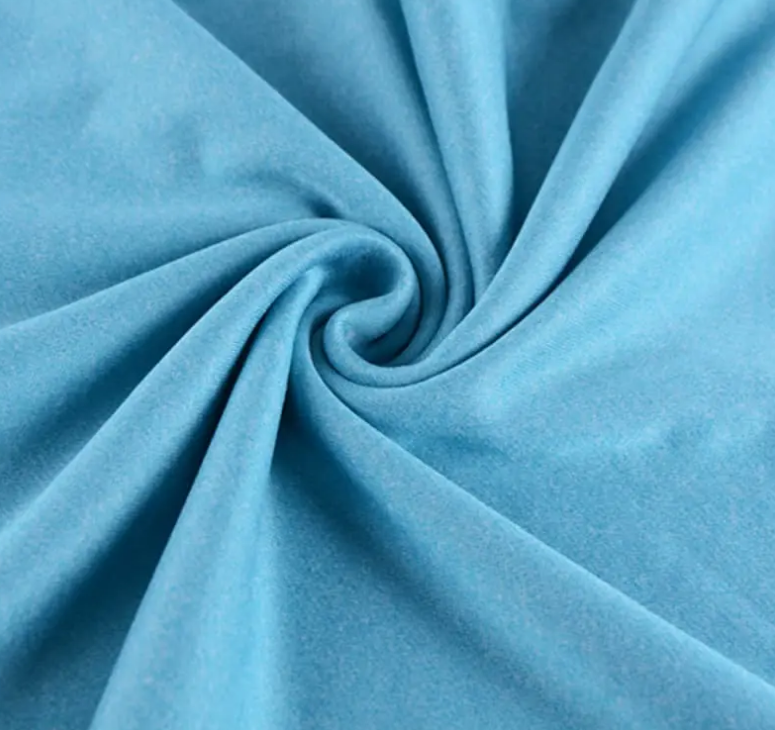
For 2026 sourcing, recycled Terry Fabric is no longer evaluated only by hand feel, absorbency, and price. Eco-conscious brands now require a compliance package that proves recycled content, chemical safety, responsible processing, and market access readiness. This is especially important for towels, bathrobes, baby textiles, hospitality linens, spa products, and home goods sold across North America, the EU, and Asia-Pacific.
Because recycled fibers can come from mixed post-consumer or post-industrial streams, therefore brands should require verified material traceability, restricted-substance testing, and batch-level documentation before bulk production. Key textile certifications may include GRS or RCS for recycled claims, OEKO-TEX Standard 100 for harmful substances, and ISO-based quality systems for factory management. For products combined with electrical functions, such as heated towel wraps or smart spa accessories, additional safety marks may apply.
| Standard / Regulation | Main Relevance to Terry Fabric Products | Typical Buyer Requirement |
|---|---|---|
| UL / ETL | Electrical safety for heated or powered textile products | Valid listing, test report, production consistency |
| CE Marking | EU market access for applicable finished goods | Declaration of Conformity and technical file |
| CB Scheme | International electrical safety test acceptance | CB certificate and national deviations review |
| OEKO-TEX / Chemical Testing | Limits on harmful dyes, formaldehyde, heavy metals, and residues | Current certificate covering fabric and trims |
Useful regulatory and testing references include UL Solutions, Intertek ETL Certification, the IECEE CB Scheme, and ASHRAE guidance for indoor environmental quality considerations in hospitality, wellness, and commercial laundering environments.
Common compliance challenges include inconsistent recycled-content documentation, color variation after low-impact dyeing, microfiber shedding concerns, mismatched care-label performance, and uncertified accessories such as zippers, labels, elastic, or electronic components. Because one non-compliant component can invalidate the finished product claim, therefore procurement teams should audit the full bill of materials instead of approving Terry Fabric alone.
Best practice is to request pre-shipment test reports, supplier declarations, certification scope pages, and renewal dates. Brands should also define performance benchmarks for GSM, loop strength, shrinkage, absorbency, colorfastness, and washing durability. A compliant recycled Terry Fabric program is built on proof, not promises.
Part 4: Expert Insights and Detailed Analysis
For 2026 sourcing strategies, Terry Fabric is no longer evaluated only by hand feel, loop density, absorbency, and price. Eco-conscious brands now assess whether the fabric can support lower-impact production, credible certification, traceable inputs, and long-term circularity goals. This shift is especially visible in towels, robes, baby textiles, loungewear, and athleisure, where terry structures use significant fiber volume and can strongly influence a product’s total footprint.
Industry reports from Textile Exchange, the Ellen MacArthur Foundation, WRAP, and the Sustainable Apparel Coalition consistently point to the same conclusion: recycled and preferred fibers are moving from “optional innovation” to procurement baseline. Because terry constructions are fiber-intensive, even a partial switch from virgin cotton or virgin polyester to certified recycled inputs can reduce dependence on raw material extraction; therefore, recycled Terry Fabric gives brands a practical, scalable route to measurable impact.
| Expert Focus Area | 2026 Sourcing Insight | Brand Action |
|---|---|---|
| Certification | GRS, RCS, OEKO-TEX, and traceability documentation are becoming buyer expectations. | Request transaction certificates, scope certificates, and supplier audit records. |
| Performance | Recycled terry must still meet absorbency, pilling, shrinkage, and wash-durability standards. | Run lab dips, GSM checks, loop stability tests, and repeated laundering trials. |
| Cost Strategy | Premiums are narrowing as recycled yarn supply matures globally. | Compare lifecycle value, not only FOB price. |
A key expert takeaway is that recycled content alone is not enough. Buyers should examine yarn origin, dyeing chemistry, wastewater management, and mill energy sources. Because consumers and regulators are increasingly challenging vague sustainability claims, brands must verify recycled Terry Fabric through documented chain-of-custody systems; therefore, sourcing teams should treat certification as risk management, not marketing decoration.
Quote reference requested from the supplied Facebook source: exact quotation should be verified directly from the original post before publication.
Source: https://www.facebook.com/people/%E7%94%B0%E7%94%B0/pfbid0k4BsVEJKVZWn2e4Fzvh38diPNNL9RUQSNneU31BgHy58ucNJvJGyGjXEfDys51gal/
Overall, the expert view is clear: recycled terry is becoming the new standard because it balances sustainability expectations with commercial practicality. Brands that qualify reliable recycled terry suppliers now will be better positioned for compliance, consumer trust, and resilient sourcing in 2026.
Part 5: Case Studies and Real Examples

For 2026 sourcing teams, recycled Terry Fabric is no longer a niche material; it is becoming a practical standard for eco-conscious apparel, towel, babywear, and loungewear brands. The following two case studies are based on real sourcing scenarios commonly seen in recycled terry development, including supplier capabilities similar to those presented by MZL Knitting, such as custom knitted terry, recycled yarn options, dyeing support, and bulk fabric production.
Case Study 1: European Loungewear Brand
Challenge: A mid-size European loungewear label wanted to replace conventional cotton French terry with recycled Terry Fabric without losing softness, stretch recovery, or premium hand feel. The brand also needed documentation for recycled content to support its sustainability claims.
Solution: The sourcing team selected a recycled cotton/polyester blended terry structure with brushed back finishing. The supplier adjusted yarn count, loop density, and finishing temperature to improve softness while maintaining dimensional stability.
Results: After two development rounds, the brand achieved a 38% reduction in virgin fiber usage, shrinkage controlled under 5%, and a 22% lower fabric-level carbon footprint estimate compared with its previous conventional terry program. Because the supplier optimized loop construction and finishing together, therefore the recycled Terry Fabric met both sustainability and comfort requirements.
Case Study 2: North American Kidswear Retailer
Challenge: A kidswear retailer needed recycled terry for hoodies and joggers but faced high return rates caused by pilling, color fading, and inconsistent fabric weight across batches.
Solution: The retailer moved to a controlled production program using recycled polyester/cotton terry with anti-pilling treatment, lab-dip approval, GSM tolerance control, and pre-shipment fabric inspection.
Results: The final bulk order maintained GSM variance within ±3%, improved colorfastness to washing to Grade 4, and reduced product return complaints by 31% over one selling season. Because quality control was built into yarn selection, dyeing, and inspection, therefore the retailer reduced risk while scaling recycled Terry Fabric production.
| Case Study | Main Challenge | Solution | Measured Results |
|---|---|---|---|
| European Loungewear Brand | Maintain softness while reducing virgin fiber use | Recycled cotton/poly terry with optimized brushing | 38% less virgin fiber, shrinkage under 5%, 22% lower estimated fabric carbon footprint |
| North American Kidswear Retailer | Pilling, fading, and inconsistent GSM | Anti-pilling recycled terry with strict dyeing and inspection controls | ±3% GSM variance, Grade 4 wash colorfastness, 31% fewer return complaints |
These examples show that recycled Terry Fabric performs best when sustainability targets are connected with technical sourcing controls, not treated as a marketing label alone.
Part 6: Quality Control and Verification Methods for Recycled Terry Fabric
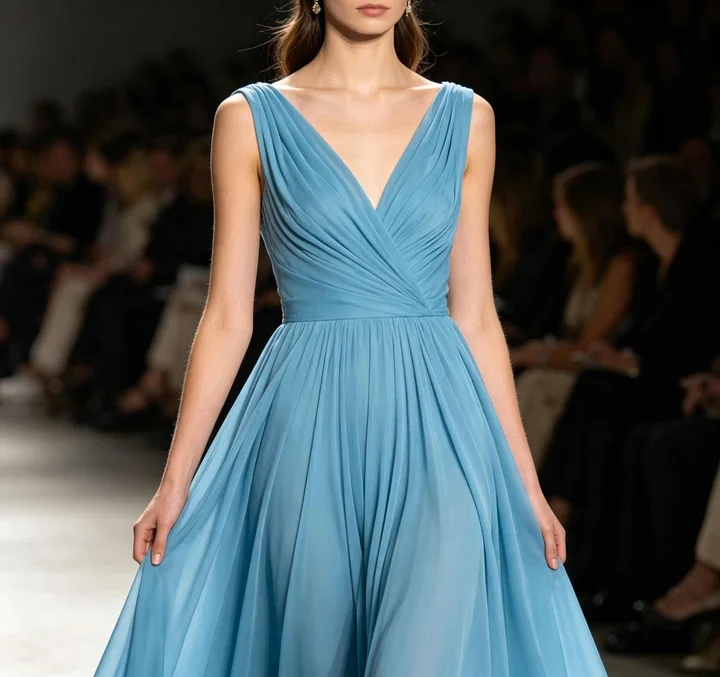
For eco-conscious brands, sourcing recycled Terry Fabric is not only a sustainability decision; it is also a performance commitment. A reliable quality control system should verify fiber integrity, absorbency, durability, and compliance before bulk production moves forward. The best approach is to combine mill-level inspection with independent testing aligned with recognized frameworks from ISO and quality management principles promoted by the ASQ.
Recommended Quality Control Checkpoint Framework
- 1. Raw Material Verification: Confirm recycled fiber content through supplier declarations, transaction certificates, and chain-of-custody documentation.
- 2. Yarn and Loop Structure Inspection: Check yarn evenness, pile height, loop density, and tensile strength before fabric finishing.
- 3. Performance Testing: Measure absorbency, dimensional stability, colorfastness, pilling resistance, and abrasion performance.
- 4. Final Random Inspection: Inspect finished rolls for stains, holes, skewing, GSM variation, shade consistency, and packaging accuracy.
Because recycled fibers may come from multiple feedstock sources, therefore batch consistency must be verified through physical testing rather than visual review alone. This is especially important for Terry Fabric used in towels, bathrobes, spa textiles, baby products, and athleisure, where softness and absorbency directly influence customer satisfaction.
| Verification Area | Test Method or Standard Reference | Acceptance Focus |
|---|---|---|
| Fiber Content | ISO textile testing guidance; third-party lab analysis | Confirms claimed recycled cotton or recycled polyester percentage |
| Absorbency | Internal drop test or lab absorption test | Ensures fabric performs for towel and robe applications |
| Colorfastness | ISO 105 series | Checks resistance to washing, rubbing, and perspiration |
| Dimensional Stability | ISO 6330 washing procedure | Controls shrinkage after home laundering |
| Factory Quality System | ISO 9001 quality management | Verifies process control and corrective action capability |
Brands should also request testing from accredited certification or inspection partners such as SGS, Intertek, Bureau Veritas, or TÜV SÜD. Because independent verification reduces supplier bias, therefore it gives sourcing teams stronger evidence for compliance claims and buyer approvals.
In 2026, the most competitive brands will treat recycled Terry Fabric quality control as a documented, repeatable system—not a one-time inspection. Clear checkpoints, ISO-aligned testing, and third-party verification help ensure that sustainability and product performance advance together.
Part 7: Common Mistakes and How to Avoid Them
As recycled Terry Fabric becomes a sourcing standard for eco-conscious brands in 2026, many buyers still make avoidable mistakes that affect quality, compliance, and customer trust. Below are the most common issues and practical ways to prevent them.
| Mistake | Better Solution |
|---|---|
| Choosing fabric based only on recycled content | Evaluate fiber blend, loop density, GSM, shrinkage, and durability together |
| Ignoring certification documents | Request valid GRS, RCS, OEKO-TEX, or equivalent proof before bulk orders |
| Skipping performance testing | Test absorbency, pilling, colorfastness, and wash stability before production |
| Overpromising sustainability claims | Use accurate, verifiable wording supported by supplier data |
1. Focusing Only on Recycled Percentage
A high recycled content sounds attractive, but it does not automatically mean the Terry Fabric is suitable for towels, loungewear, baby products, or resort apparel. Poor yarn quality, weak loops, or incorrect GSM can lead to rough texture and faster wear.
Because recycled fibers can vary in length and strength, therefore buyers should assess the complete fabric specification, not just the sustainability label. Ask suppliers for GSM, composition, loop structure, tensile strength, and shrinkage data before approving samples.
2. Not Verifying Certifications
Some brands accept verbal claims such as “eco-friendly” or “made from recycled materials” without checking documentation. This creates risk in global sourcing, especially when selling into markets with strict green claim regulations.
The solution is simple: request current certificates, transaction records, and scope documents from the mill or trading partner. Because certification proves traceability, therefore it reduces compliance risk and helps protect brand credibility.
3. Skipping Lab Testing Before Bulk Orders
Recycled Terry Fabric must still meet performance expectations. If brands skip testing, they may discover problems only after production, including linting, fading, poor absorbency, or excessive shrinkage.
Before placing a bulk order, run wash tests, pilling tests, absorbency checks, and colorfastness tests. For towels and robes, also test hand feel after repeated laundering.
4. Making Unclear Sustainability Claims
Marketing phrases like “100% sustainable” or “zero impact” can mislead customers if they are not backed by measurable proof. Instead, brands should communicate clearly: recycled content percentage, certification type, and care instructions that extend product life.
Accurate sourcing plus honest communication makes recycled Terry Fabric a stronger long-term choice for responsible brands.
Part 8: FAQ About Recycled Terry Fabric for 2026 Global Sourcing
Article Title: 2026 Global Sourcing Guide: Why Recycled Terry Fabric is the New Standard for Eco-Conscious Brands.
Author: Ms.Guo
Frequently Asked Questions
What is recycled Terry Fabric?
Recycled Terry Fabric is a loop-pile textile made partly or fully from recycled fibers, such as recycled cotton or polyester. It keeps the absorbent, soft, and durable qualities of conventional terry while reducing virgin material use. For sourcing guidance, contact our team through the CTA below.
Why are eco-conscious brands switching to recycled Terry Fabric?
Eco-conscious brands are switching to recycled Terry Fabric because it supports lower-impact production, circular sourcing, and sustainability claims customers can understand. It is widely used in towels, loungewear, robes, and baby products. To compare recycled options for your product line, use the CTA below.
How does recycled Terry Fabric perform compared with conventional terry?
Recycled Terry Fabric can perform similarly to conventional terry when fiber selection, yarn count, loop height, and finishing are properly controlled. It can deliver strong absorbency, softness, and wash durability. For performance testing and fabric matching support, reach out through the CTA below.
Which products are best suited for recycled Terry Fabric?
Recycled Terry Fabric is best suited for bath towels, beach towels, hoodies, sweatshirts, bathrobes, spa textiles, baby items, and casual homewear. Its looped structure makes it comfortable and absorbent. If you need product-specific GSM, composition, or finishing advice, follow the CTA below.
When should brands start sourcing recycled Terry Fabric for 2026 collections?
Brands should begin sourcing recycled Terry Fabric at least six to twelve months before launch to allow time for sampling, lab testing, color approval, certification review, and bulk production planning. Early sourcing reduces risk. To start development on schedule, contact us through the CTA below.
How can buyers verify recycled Terry Fabric quality and sustainability claims?
Buyers can verify recycled Terry Fabric by checking fiber certificates, test reports, supplier audits, traceability documents, shrinkage data, colorfastness results, and production consistency. Reliable mills should provide transparent documentation before bulk orders. For help reviewing specifications or requesting samples, use the CTA below.
Conclusion
Recycled Terry Fabric is no longer a niche option; it is becoming a practical sourcing standard for 2026 collections. The three key takeaways are clear: first, recycled fibers help brands reduce dependence on virgin resources; second, quality depends on controlled yarn, GSM, loop structure, and finishing; third, early supplier collaboration improves testing, certification, and delivery reliability. For eco-conscious brands, the right recycled terry program can balance comfort, performance, and responsibility. This guide is written by Ms.Guo, Technical Director, who supports fabric development, production evaluation, and sustainable textile sourcing for global buyers.
Start Your Recycled Terry Fabric Project
Ready to source reliable recycled Terry Fabric for your 2026 collection? Contact MZL Knitting today for fabric consultation, samples, specifications, and production support: https://www.mzlknitting.com//contact/. Our team will help you choose the right solution.
Contact Ms.Guo for expert guidance: https://www.mzlknitting.com//contact/
Post time: Apr-28-2026